What players say
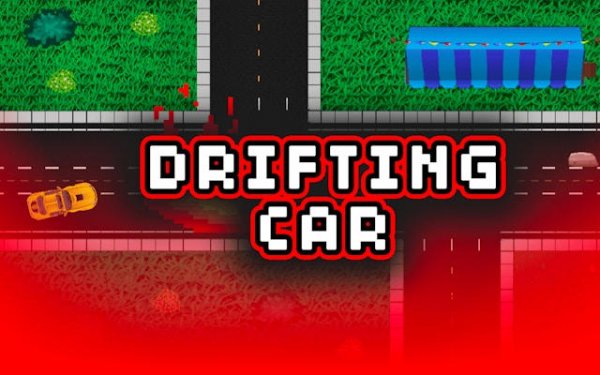
Drift Car: Obstacle Avoidance Arcade delivers a focused and engaging experience for fans of precision driving. The core mechanic of drifting to avoid obstacles is simple to learn but offers increasing challenge as speed ramps up. The short session length makes it perfect for quick plays, while the car selection adds a touch of personalization. It is a solid choice for players who enjoy testing their reflexes without complex rules.
About this game
Game Introduction
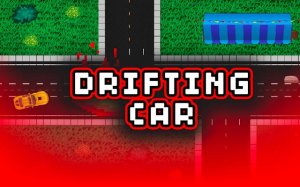
Drift Car: Obstacle Avoidance Arcade is an arcade driving game that focuses on precision and quick reactions. You control a car moving forward on a track while obstacles roll toward you from different directions. The goal is to avoid every obstacle by drifting around them. The game removes complex rules and emphasizes core driving skills like control and timing. Each session is short but intense, making it ideal for quick entertainment. The challenge increases as you progress, with obstacles appearing faster and in more unpredictable patterns. This game is designed for players who enjoy straightforward, skill-based gameplay without distractions.
How to Play
Start by selecting a car from the garage. Once on the track, use the controls to steer your car forward. Watch for obstacles rolling toward you and drift to avoid them. Timing is important—drift too early or too late and you may hit an obstacle. The longer you avoid collisions, the higher your score. The game ends when you hit an obstacle. You can restart anytime to try for a better score. Practice helps you learn obstacle patterns and improve your reflexes.
Game Features
Dynamic vehicle selection lets you choose from different cars. Core dodge mechanic requires smooth drifting to avoid obstacles. Fast-paced arcade action keeps each round exciting. Simple controls make the game easy to pick up. Increasing challenge tests your skills as obstacles speed up over time.
Tips for Success
Focus on timing your drifts precisely—not too early or too late. Watch the direction obstacles are coming from and anticipate their path. Stay calm and avoid overcorrecting, which can lead to collisions. Practice regularly to learn the patterns and improve your reaction speed. Take short breaks if you feel frustrated, as a clear mind helps with quick decisions.